For most of my life, I’ve had a perfectly workable and simplistic understanding of pilgrims. As is typical for most kids who grow up in the public schools of Massachusetts, we learned about the people who left England on a life-threatening journey to the new world so that they could practice their religion away from the persecution of the Crown. They were portrayed as brave. I am sure that Mr. Green would be proud to know what I remember from his classes at Central Junior High.
The thing about those Pilgrims is that they must have been more than brave. It takes more than bravery to up and move your family on a dangerous journey to an unknown land. Many people died and yet, so many people followed them. I cannot relate. While I am fascinated by their decision to take the trip, I have never thought about how they got to that decision. It’s outside my frame of reference. Frankly, if you had asked me two years ago if I knew anyone who had taken a pilgrimage I would have said no with confidence. I mean, who does that these days?
Always with me, what I have yet to learn.
It turns out that a lot of people venture out on these purposeful journeys. Of course, I know about pilgrimages to Mecca. I have heard that people visit places that mean something to them, or more often than not that they hope will mean something. Either way, the idea of modern pilgrimage seemed quaint and distant, even dusty to me, until I heard a call of my own.
I should come clean. I go to church regularly. I work within the local Episcopal Diocese on matters relating to caring for the Earth including Climate Change action. But, these are practical activities that take place from the home base. As a full time working parent, I do not have time to take meaningful or even meaningless journeys with unspecific goals, and certainly not without the entourage of children, spouse, and canine that comprise my usual away-team.
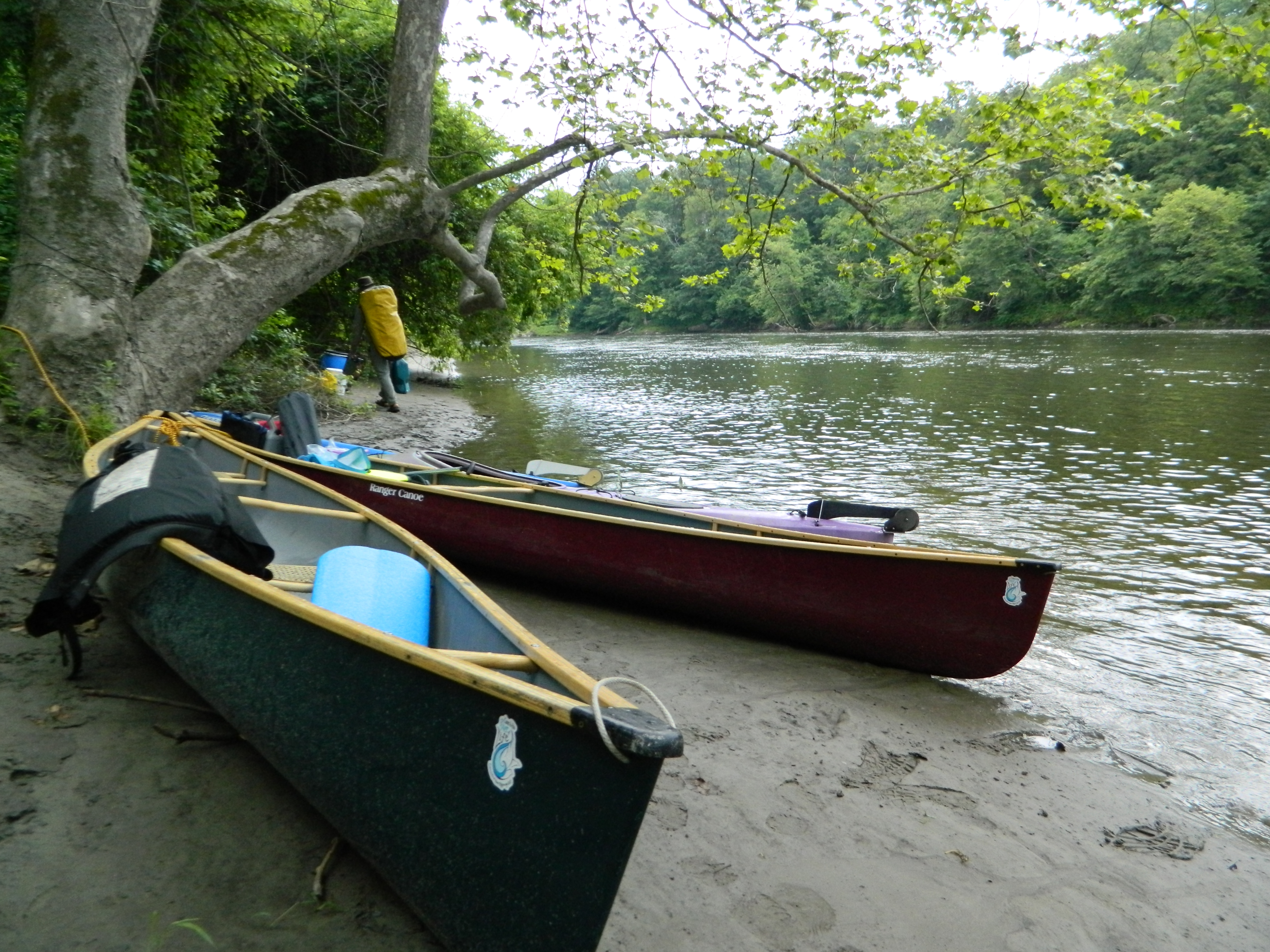
Then, I had this moment of invitation. A group I worked with was planning a 40-day pilgrimage on the Connecticut River. A lengthy paddling trip where all the folks involved would be seeking a spiritual connection through an experience with nature. I mean, I know it’s a mouthful, but more importantly, I knew I wanted to be there even though I could really not say why.
It is not within the scope of this post to talk about that trip in its entirety. I do hope to pull forward elements of that experience in future posts, but for now, I want to talk about that moment of assent. That moment where a ludicrous, impossible idea becomes not only possible, but something I could not say no to. Sensible, stay-at-home me found herself applying for a period of leave from work, and taking on the various preparations that go into a 2-week paddling trip that is infused with prayer and wonder and silence.
In that moment of assent, I was conscious that these moments get rarer as I get older. Most of my moments these days are more about the kids or about what’s right for the family, than they are about me as a person, as an individual. It’s easy to lose track of that inner voice when you spend a lot of time managing schedules for kids, co-workers, projects, volunteer hours, etc. It’s easy to ‘get to it later’ when it comes to exploring big questions about if and how God fits into my life. It’s easier not to know frankly. I mean, once you know, how can you ignore God? I am guessing that’s not a thing.
Ironically, what made me say yes to this journey was fear. I was afraid that I was starting to get a bit fearful, motionless. That I was losing any sense or capacity to change and grow. I can see now that I was more afraid of not going than I was of going. And, of course, once I decided to go, I spent the next several months resisting the whole thing, but that’s another story.
What I want to say here today is that becoming a pilgrim was the last thing on my life plan. Agreeing to a journey with people I don’t know to unfamiliar places changed my understanding of what makes someone a pilgrim in the first place. They are not looking to escape, they are answering a call – a beckoning. It’s an inward journey right out with the world. Pilgrims are specifically not expecting to gain anything tangible from the experience. It’s the intangible they seek. Whether or not they travel across any vast geography, they experience movement. And it has to start from a moment of assent. A moment where asking ‘what’s the worst that could happen?’ is answered with, ‘nothing’.
 outdoorfaiths